


When a Dream Meets Reality: Why I Said No to a Production Partner
Not every step forward looks like a yes. Sometimes the most important decision you can make for a small brand is to say no.
Recently, I had to make one of those decisions. After many conversations with a manufacturer in India, I decided not to continue our collaboration on my new wool ponchos. I want to share why – including the actual numbers – because the choices behind a small fashion brand are rarely visible to the people who wear its pieces.
The ponchos and the quote
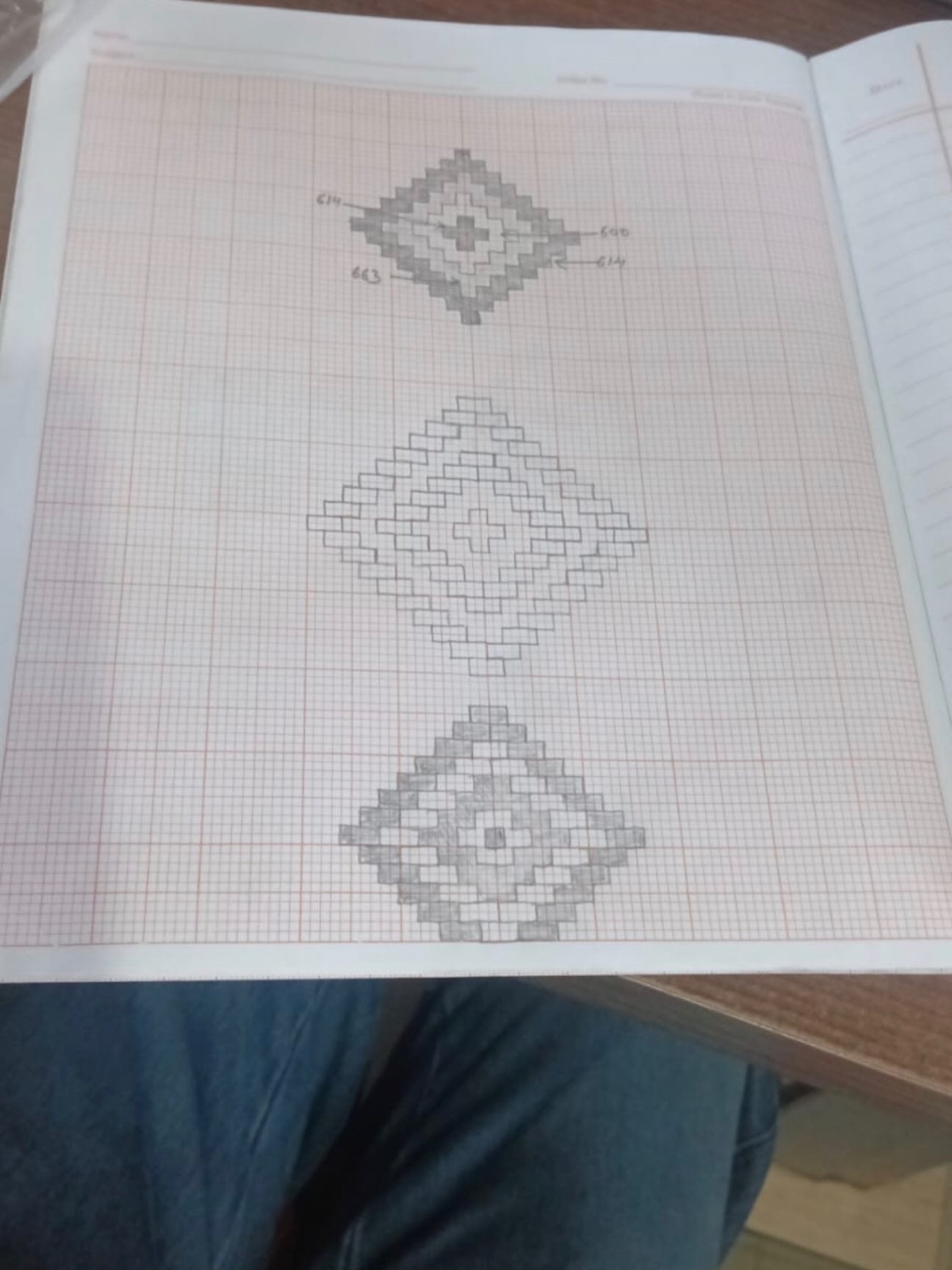
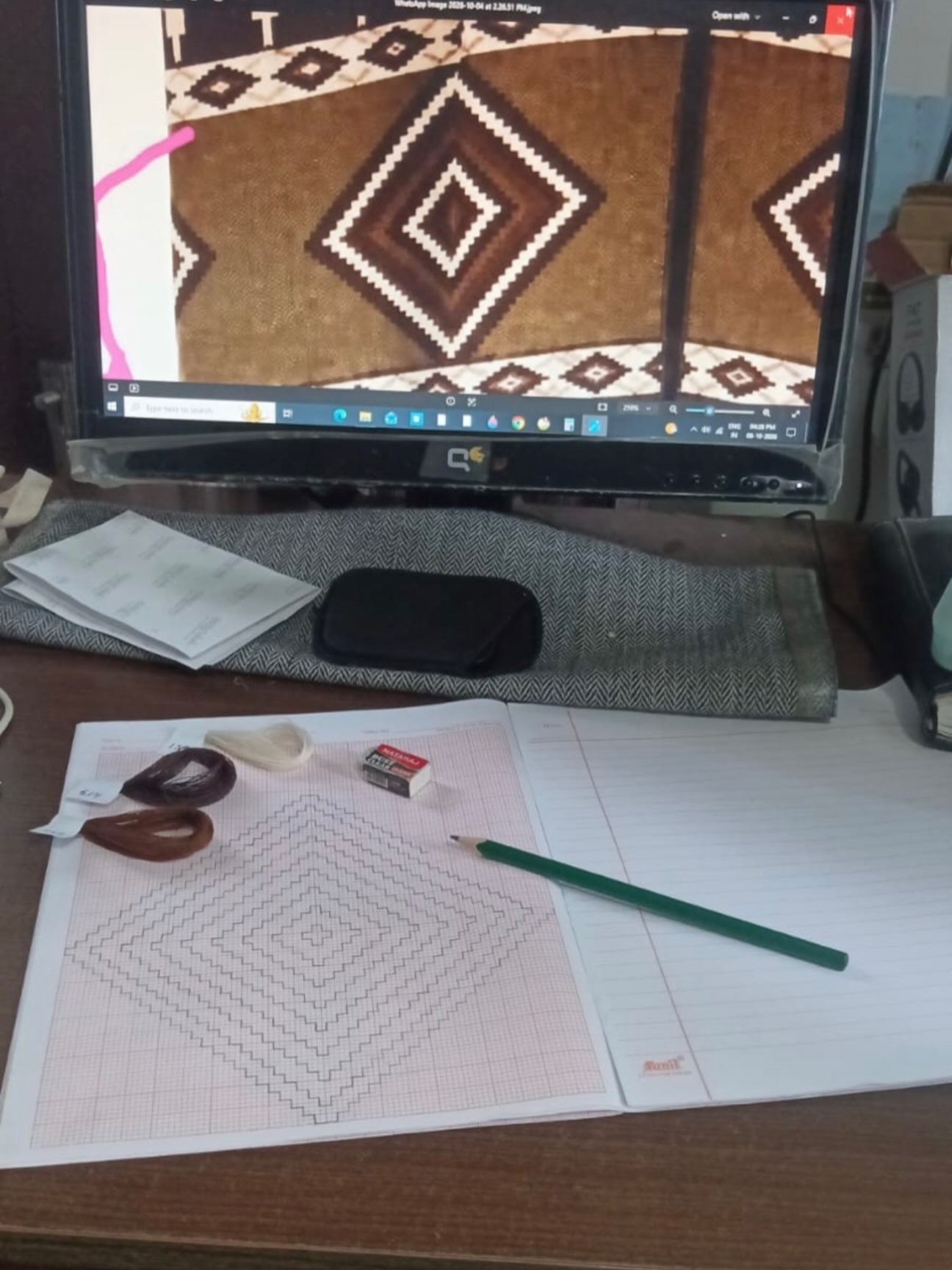
The new ponchos have been a dream project for me: beautiful woven textiles, natural wool colours and original geometric patterns. They will be called SHIBA.
I had high hopes for this project. But the final manufacturing quote came in at INR 42,875 per poncho – approximately DKK 3,019. And that is for production alone.
My goal has always been to sell the ponchos for around DKK 5,700, with an absolute maximum of DKK 6,000.
Fair for the artisans – and for my business
I do not want to pressure a manufacturer into accepting a price that would compromise fair payment for the artisans. Their skills, time and craftsmanship deserve respect.
But I also have a responsibility to my own business.
I run Lunaré independently as a sole proprietor. I finance my collections myself, and I carry the financial risk if the garments do not sell. I also have a physical store in Copenhagen, with all the expenses that come with it.
So I decided to say no. Not because I do not value the craftsmanship, but because the numbers simply do not work for my business.
What is really left from a DKK 6,000 poncho?
I want to be transparent about the financial reality behind Lunaré. My maximum manufacturing budget is INR 25,000 per poncho – approximately DKK 1,760. If I sell a poncho for DKK 6,000 including Danish VAT, my estimated calculation looks like this:
| DKK | |
|---|---|
| Retail price (incl. VAT) | 6,000 |
| VAT | −1,200 |
| Manufacturing | −1,760 |
| Estimated import duty (12%) | −211 |
| Shipping | −160 |
| Other allocated costs | −500 |
| Remaining before tax | 2,169 |
| Estimated tax (40%) | −868 |
| Remaining after estimated tax | 1,301 |
But those DKK 1,301 are not simply money I can take home as my salary. They still need to cover rent for the store, insurance, electricity, the website, marketing and daily operations. And I need to earn a living from my own work – my time, my design work and all the hours behind Lunaré also need to be paid for.
If I sell the poncho for my preferred price of DKK 5,700, the same calculation leaves approximately DKK 1,157 after estimated tax.
At the original quote of INR 42,875, a DKK 6,000 poncho would leave only around DKK 759 – before tax and other operating expenses.
And I must purchase the entire collection before knowing whether it will sell.
I want artisans to be paid fairly. But I also need to pay my bills and earn a living. That is why the purchasing price matters so much.
Figures are rounded budget estimates using an illustrative 40% tax rate.
A new path through the Himalayas
Saying no to one production opportunity does not mean I have given up on my dream.
I have already contacted five manufacturers and artisan organisations in the Himalayan region, including Northern India and Nepal. I am speaking with several of them, and some have already shown interest in my designs.
My hope is to find a smaller, socially focused or artisan-led organisation that creates jobs and income for local women. Women who knit from home. Skilled weavers who carry traditional textile techniques forward. People whose craftsmanship deserves recognition and respect.
Ideally, I would love to work with an organisation where production is about more than commercial growth – where people, communities and opportunities matter too.
This experience has taught me how important it is to establish quality, production techniques, minimum order quantities and manufacturing costs before investing in samples. As a designer, I cannot compromise on the character of my work. The wool blend, yarn thickness, fabric weight, weaving technique, texture and drape all matter.
I welcome the expertise of skilled artisans and manufacturers, but the finished garments must reflect the vision behind Lunaré.
Why I share this
I want to be transparent about this journey, including the difficult decisions. Behind every small fashion brand are so many expenses, responsibilities and choices that customers rarely get to see – and I would rather show them than hide them.
My dream is to build a partnership that works for everyone involved and can grow over time. I will keep sharing the journey with you here and on Instagram @lunare.collective.
– Lorene


